
What Does Hail Damage Look Like? A Complete Guide
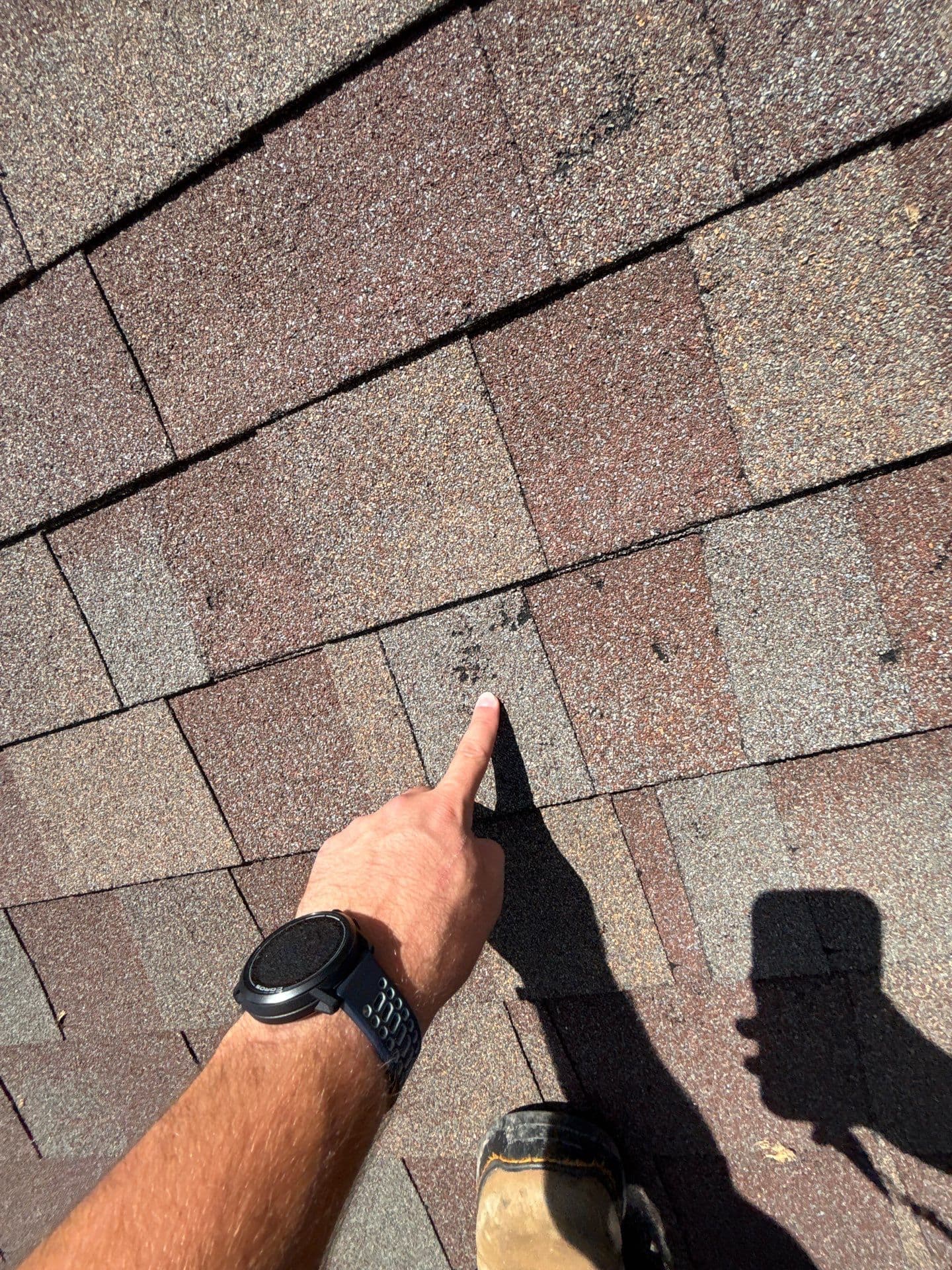
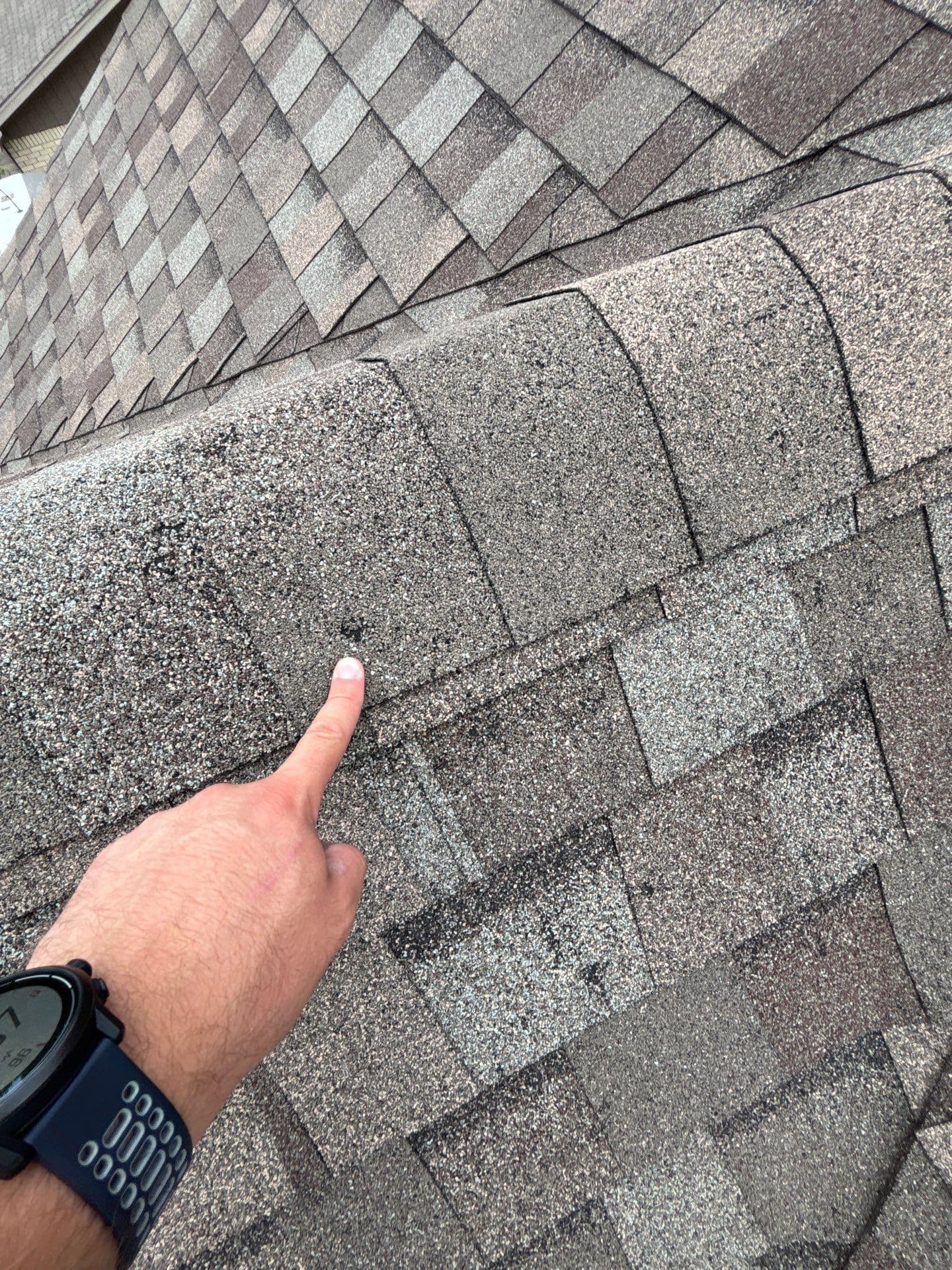
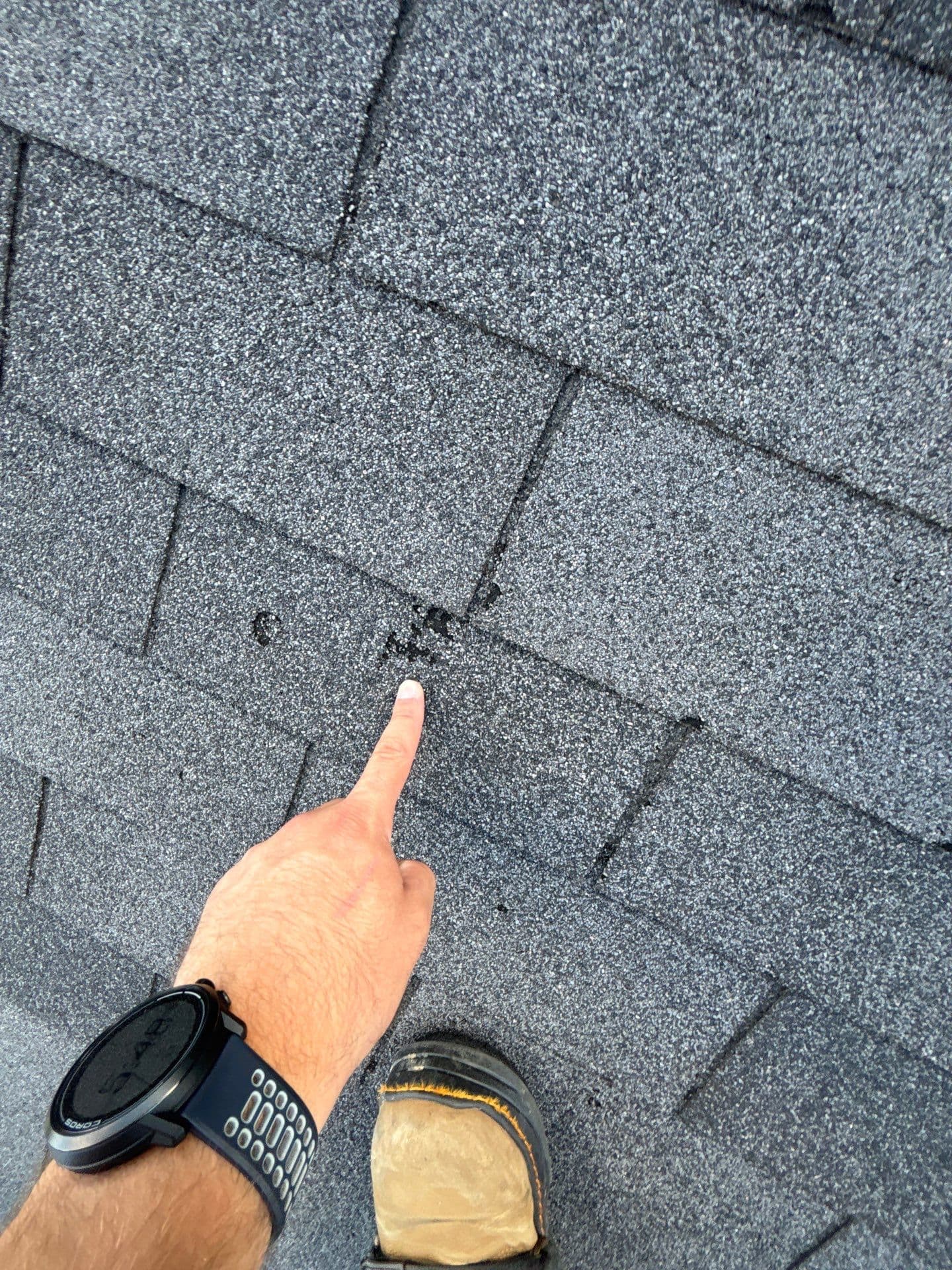
Hail damage appears as dark spots or bruises on asphalt shingles where granules have been knocked off, dents in metal components like gutters and vents, and cracked or fractured shingle surfaces. The damage can range from subtle divots visible only up close to obvious punctures and tears. Even minor hail damage compromises your roof's protective layer and should be inspected by a professional to prevent leaks and further deterioration.
Northwest Arkansas sees its fair share of severe weather, and hail storms are among the most damaging events for residential roofs. Whether you're a homeowner who just experienced a storm or you're trying to assess potential damage from a recent hail event, knowing what to look for can save you thousands of dollars in preventable repairs.
In this comprehensive guide, our experienced team at Midcon Exteriors breaks down exactly what hail damage looks like, how to identify it, and what steps you should take to protect your investment.
Visual Signs of Hail Damage on Shingles
Hail damage on asphalt shingles manifests in several distinct ways. The most common indicator is the loss of protective granules, which creates dark spots or “bruises” where the underlying mat is exposed. These impact points are typically random in pattern and vary in size depending on the hailstone diameter.
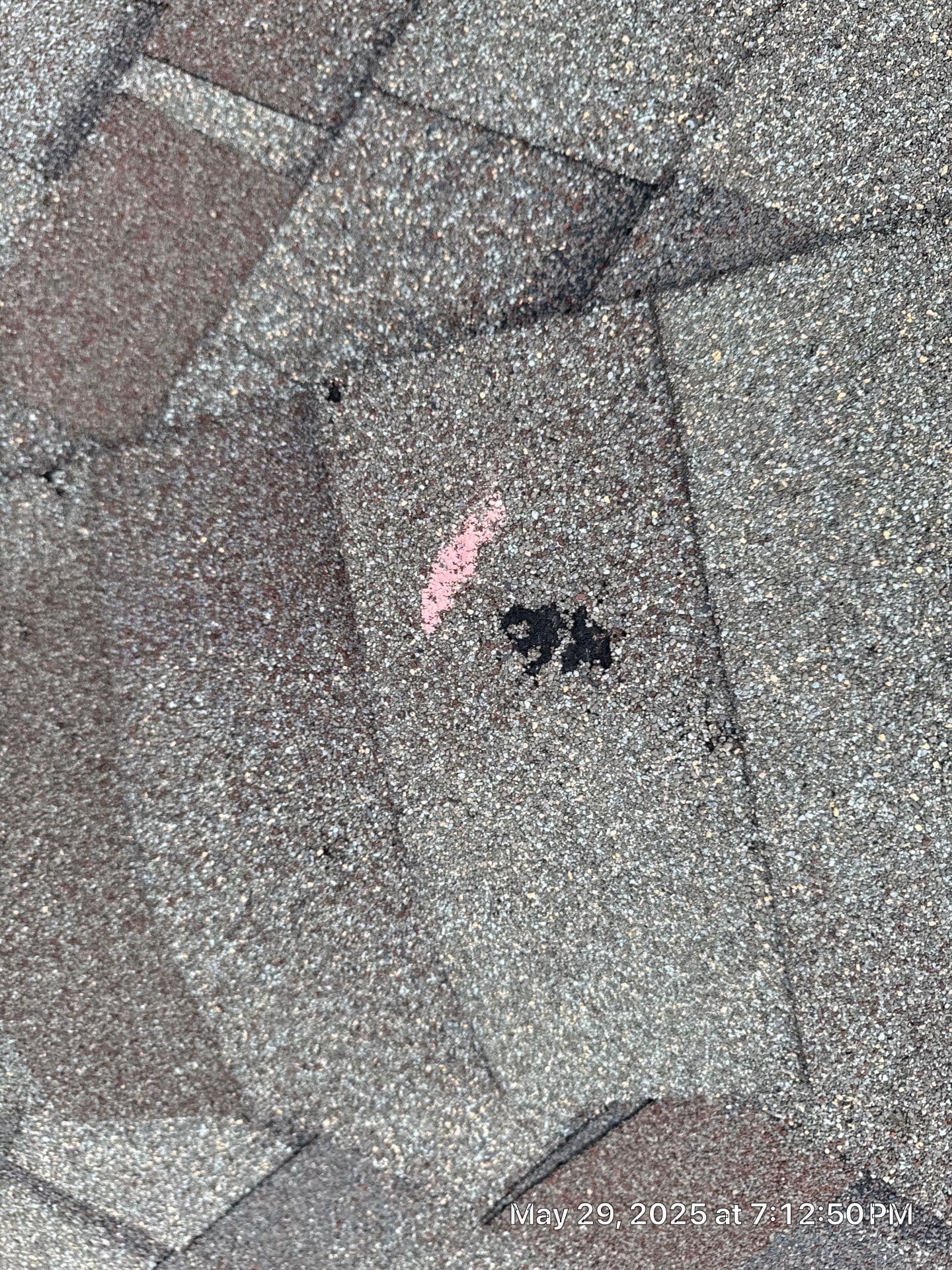
When you run your hand over hail-damaged shingles, you may feel soft spots or divots where the impact compressed the shingle material. In severe cases, you'll see actual cracks, tears, or punctures in the shingle surface. These breaches in your roof's protective barrier allow moisture infiltration, which can lead to wood rot, mold growth, and interior damage if left unaddressed.

Common Questions About Hail Damage
How can I tell if my roof has hail damage if I can't see it from the ground?
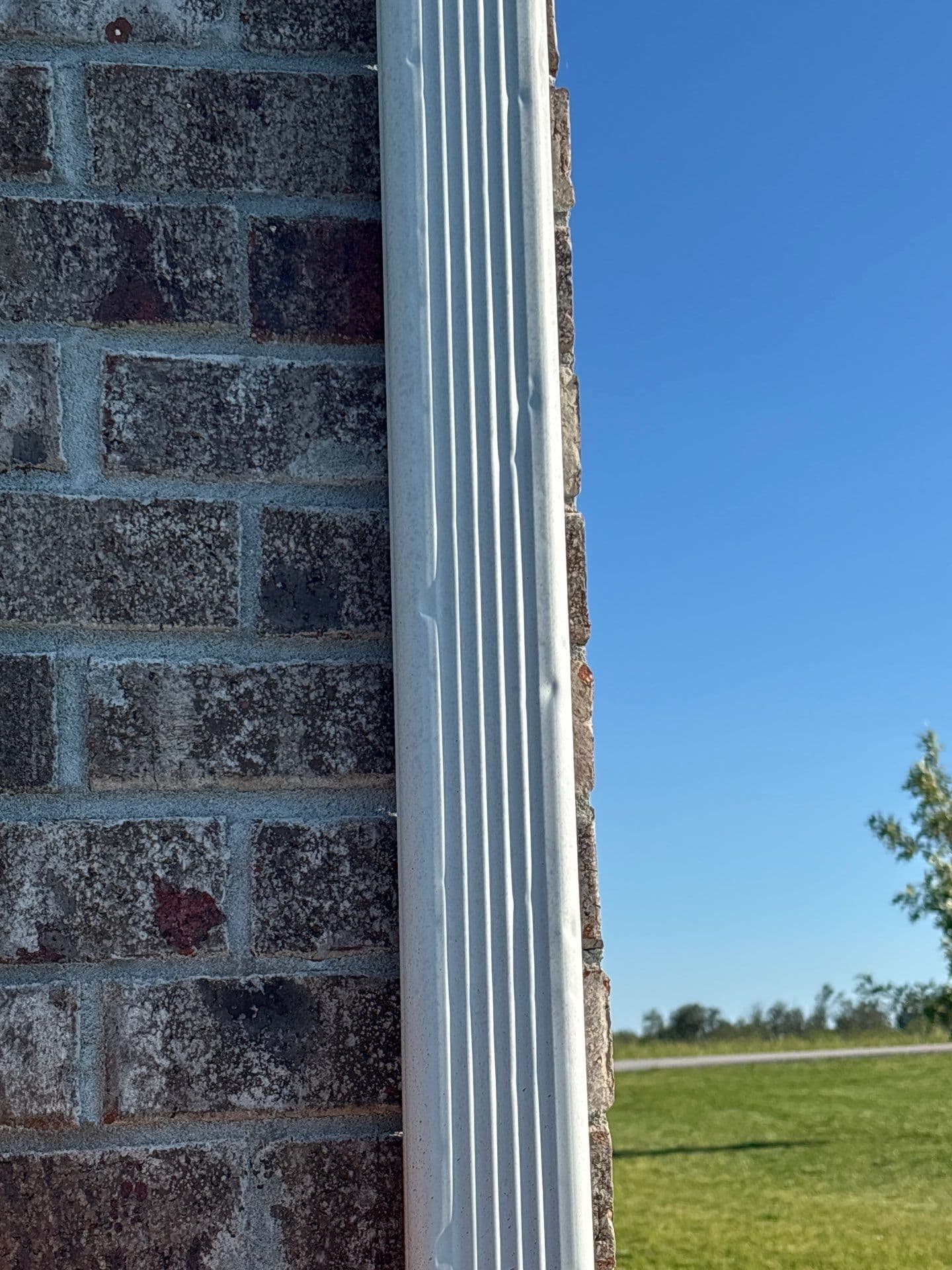
Many homeowners can't safely or effectively assess roof damage from ground level. Look for indicators around your property first: dents in metal gutters, downspouts, or vent covers; damaged siding or window screens; and marks on outdoor AC units or mailboxes. If you see hail damage on these surfaces, your roof likely sustained damage too. The safest approach is to schedule a professional inspection with our certified inspectors who have the training and equipment to safely assess your roof.
What size hail causes roof damage?
Generally, hail one inch in diameter (about the size of a quarter) or larger can cause significant damage to asphalt shingles. However, several factors influence the severity: the angle of impact, wind speed during the storm, the age and condition of your shingles, and the quality of the roofing materials. Even smaller hail can cause damage to older or lower-quality roofs. After any hail event in Northwest Arkansas, it's worth having your roof inspected regardless of the reported hail size.
Does insurance cover hail damage to roofs?
Most homeowners insurance policies in Northwest Arkansas include coverage for hail damage as part of your wind and hail peril coverage. However, policy details vary, and some insurers have moved to actual cash value (ACV) policies that depreciate your roof's age. It's important to file your claim promptly after a storm event—most policies have specific timeframes for reporting damage. We work directly with insurance companies and can help document the damage and navigate the claims process to ensure you receive fair compensation.
Can hail damage get worse over time?
Absolutely. Hail damage compromises the protective granule layer and the structural integrity of your shingles. Once this barrier is breached, UV rays accelerate deterioration, wind can more easily tear damaged shingles, and water can infiltrate the roof system. What starts as cosmetic bruising can evolve into leaks, wood rot, and interior damage within months. That's why prompt inspection and repair is critical—addressing the damage early prevents exponentially more expensive repairs down the line.
Should I repair or replace a hail-damaged roof?
This depends on the extent and pattern of damage. If hail damage is isolated to a small section, repairs may be sufficient. However, insurance adjusters typically look at the number of hits per 10x10 square foot test area. If damage meets the threshold (usually 8-10 hits per square), most insurers will approve a full roof replacement. A full replacement is often the better long-term solution since it restores your roof's warranty and ensures consistent protection across the entire surface. Our team will assess the damage and provide an honest recommendation based on your specific situation.
Other Areas Affected by Hail
While shingles get the most attention, hail storms damage other critical roof components that require inspection:
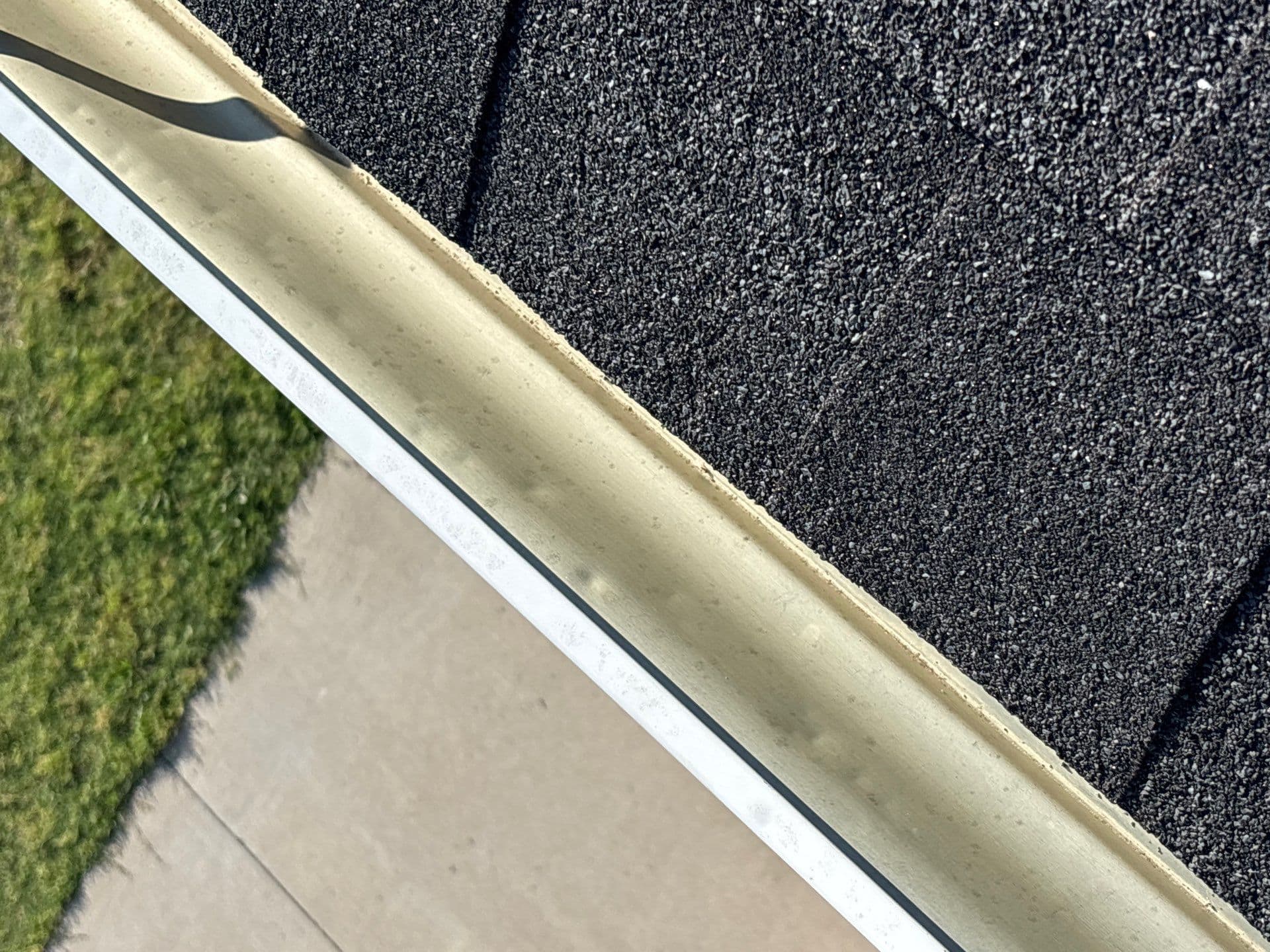
- •Gutters and Downspouts: Dents, dings, and deformations that affect water flow and drainage
- •Roof Vents: Cracks or dents in plastic or metal vent covers that can allow water infiltration
- •Flashing: Dents or punctures in metal flashing around chimneys, skylights, and valleys
- •Siding and Trim: Impact marks, cracks, or chips that compromise your home's exterior protection
Recognizing Damage Patterns
One key to identifying hail damage is understanding impact patterns. Unlike wear-and-tear issues that appear in predictable locations (like along roof edges or in valleys), hail damage appears randomly across all roof surfaces. You'll typically see a higher concentration of hits on slopes facing the direction of the storm's approach.
Understanding Granule Loss
The protective granules on asphalt shingles serve multiple critical functions: they shield the asphalt layer from UV damage, provide fire resistance, and reflect heat. When hail knocks these granules loose, the underlying asphalt becomes exposed and vulnerable.
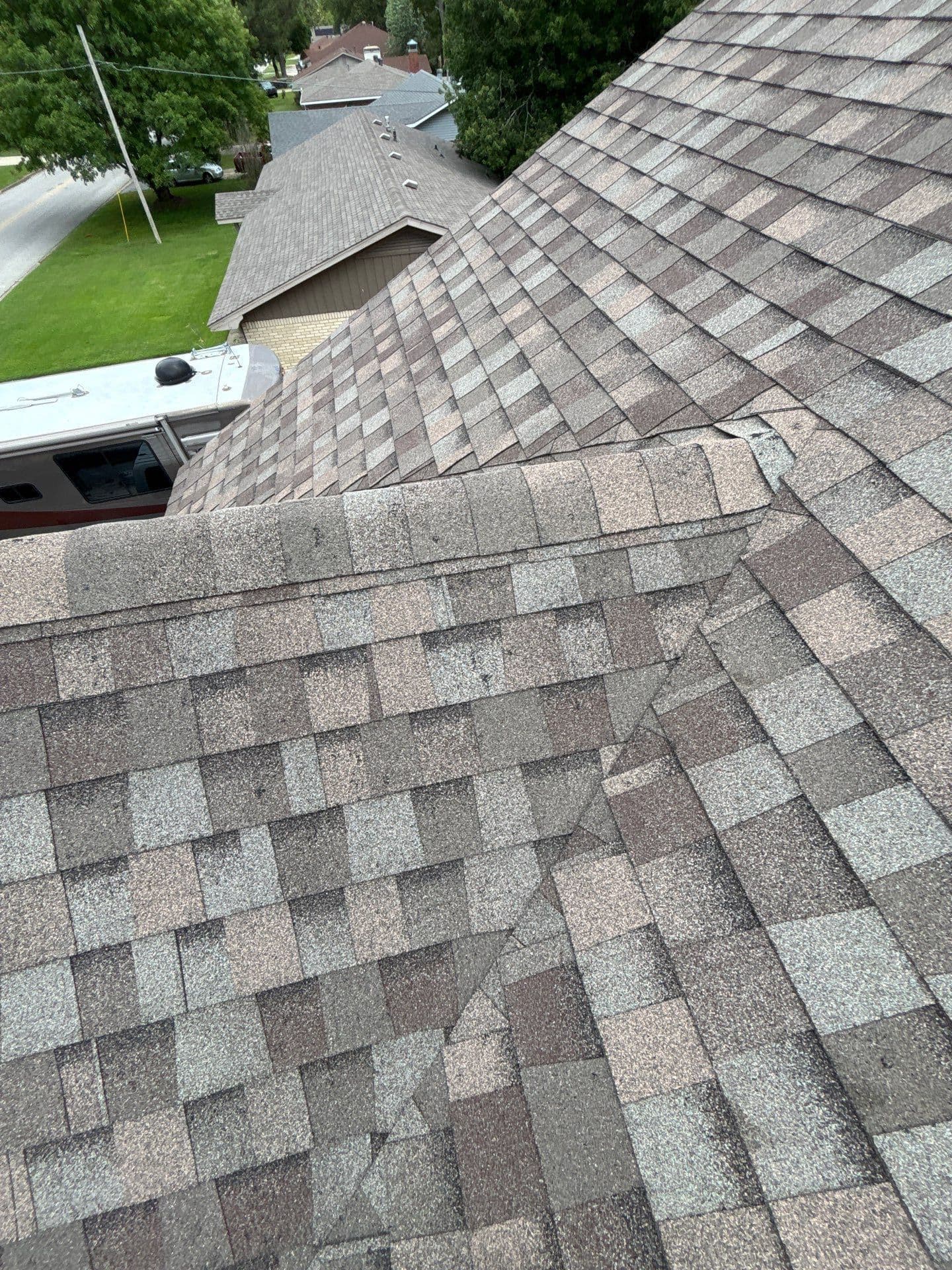
After a hail storm, check your gutters and downspouts for an unusual accumulation of granules—this is often the first visible sign that your roof has sustained damage. The dark spots visible on shingles after hail impact are areas where granules have been completely removed, exposing the black asphalt mat underneath.
What to Do After a Hail Storm
If you suspect your roof has sustained hail damage, taking the right steps quickly can make a significant difference in protecting your home and maximizing your insurance claim:
- 1Document the Storm: Note the date, time, and severity of the hail event. Take photos of any visible damage to landscaping, vehicles, or outdoor structures.
- 2Schedule a Professional Inspection: Contact our roofing specialists for a thorough assessment. We'll safely inspect all roof components and document any damage with detailed photos and measurements.
- 3File Your Insurance Claim Promptly: Most policies require timely reporting. We can help you navigate the claims process and work directly with your adjuster.
- 4Prevent Further Damage: If you have active leaks, we can provide emergency tarping services while your claim is processed.
- 5Get a Detailed Estimate: We provide comprehensive pricing information and work within your insurance approval to restore your roof to its pre-storm condition.
Why Choose Midcon Exteriors for Hail Damage Assessment
Since 2018, Midcon Exteriors has been Northwest Arkansas's trusted partner for storm damage assessment and restoration. Our experienced team has inspected thousands of roofs following hail events and has extensive experience working with all major insurance carriers.
We provide honest assessments—if your roof doesn't have claimable damage, we'll tell you. If it does, we'll document everything thoroughly and advocate for you throughout the insurance process. Our goal is to restore your roof's integrity and protect your home's value for years to come.
Don't wait for minor hail damage to become a major problem. Schedule your free inspection today and get peace of mind about your roof's condition.